
Blog
April 23, 2026
How In-Home Care Reduces Hospital Readmissions — and Keeps Seniors Safer
Introduction
Each year, approximately 15–20% of Medicare patients are readmitted to the hospital within 30 days of discharge. For older adults, a hospitalization isn’t just a medical event — it often triggers a cascade: loss of strength, confusion, medication errors, and a heightened risk of another crisis. The pattern is preventable far more often than people realize.
Professional in-home senior care is one of the most evidence-backed strategies for breaking that cycle. This blog explores how — and why it matters so much for aging adults and the families who care for them.
Why Hospital Readmissions Are a Critical Problem for Seniors
Each hospitalization carries real risks for older adults that go beyond the immediate medical issue:
- Hospital-acquired infections (HAIs) affect millions of patients annually
- Functional decline — muscle loss and deconditioning happen rapidly in a hospital bed
- Delirium, a sudden state of confusion, affects up to 30% of hospitalized older adults
- Sleep disruption, malnutrition, and disorientation compound recovery challenges
- Emotional toll — anxiety, depression, and loss of confidence often follow hospitalizations
A return to the hospital within weeks of discharge often represents a failure point in transition care — a gap between the acute setting and the support needed at home.
The Transition Gap: What Happens After Discharge
Hospital discharge instructions are often complex: new medications, dietary restrictions, activity limitations, follow-up appointments. For a healthy 40-year-old, managing this is manageable. For an 80-year-old with multiple chronic conditions, perhaps living alone, it can be overwhelming.
Research Finding:
A landmark study published in the New England Journal of Medicine found that inadequate post-discharge support — not the initial medical condition — was the primary driver of unplanned hospital readmissions among older adults.
In-home caregivers fill exactly this gap. They are present in the moments that matter: morning medication routines, meal preparation for healing, noticing when something looks wrong before it becomes an emergency.
How In-Home Care Directly Reduces Readmission Risk
1. Medication Management
Medication errors are one of the leading causes of post-discharge complications. A trained caregiver provides timely medication reminders, monitors for side effects, and flags concerns to family or healthcare providers early.
2. Fall Prevention
Falls are the number one cause of injury-related hospitalizations among adults 65 and older. After a hospitalization, balance, strength, and coordination are often further compromised. In-home caregivers provide physical assistance, monitor gait and stability, and help implement home safety measures.
3. Nutrition and Hydration
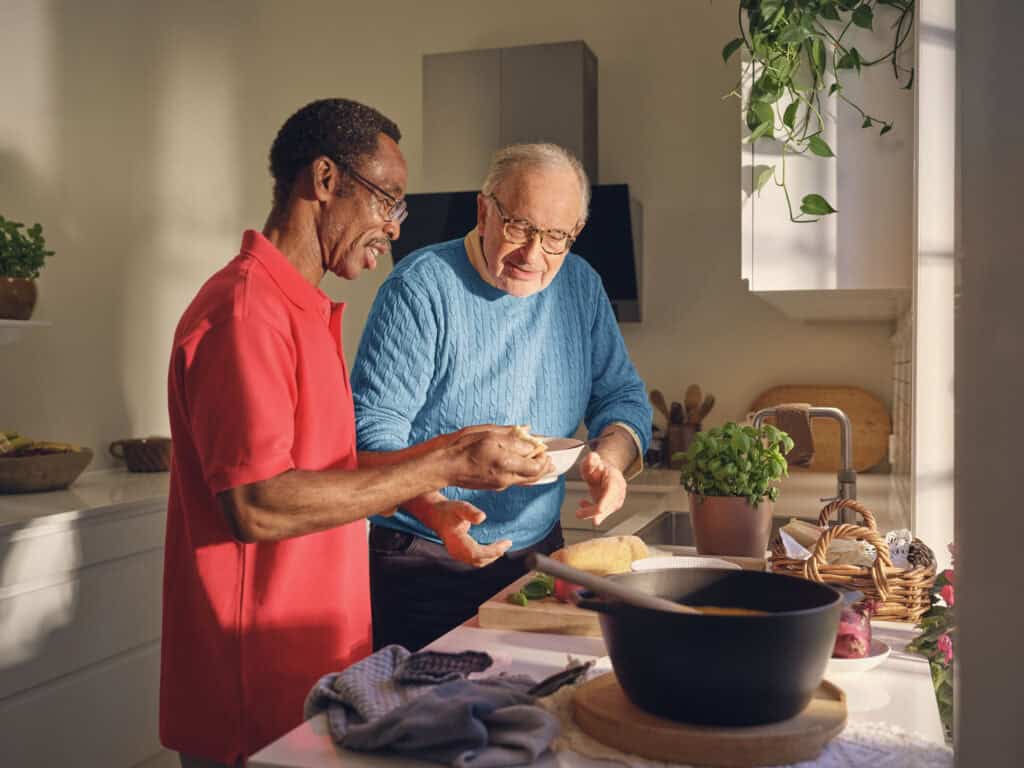
Healing requires fuel. Many older adults return home to inadequate nutrition — whether from difficulty cooking, lack of appetite, or financial constraints. Caregivers prepare nutritious meals, encourage adequate hydration, and monitor for signs of weight loss or dehydration.
4. Early Warning Observation
Perhaps the most valuable thing a trained caregiver provides is a consistent, informed pair of eyes. They notice when a client seems “off” before it becomes a crisis — increased confusion, labored breathing, changes in appetite or energy. Early observation enables early intervention.
5. Appointment Support and Care Coordination
Follow-up appointments after hospitalization are critical — and often missed. Caregivers provide transportation, accompany clients to visits, and help communicate changes in condition to the healthcare team.
6. Emotional Support and Recovery Confidence
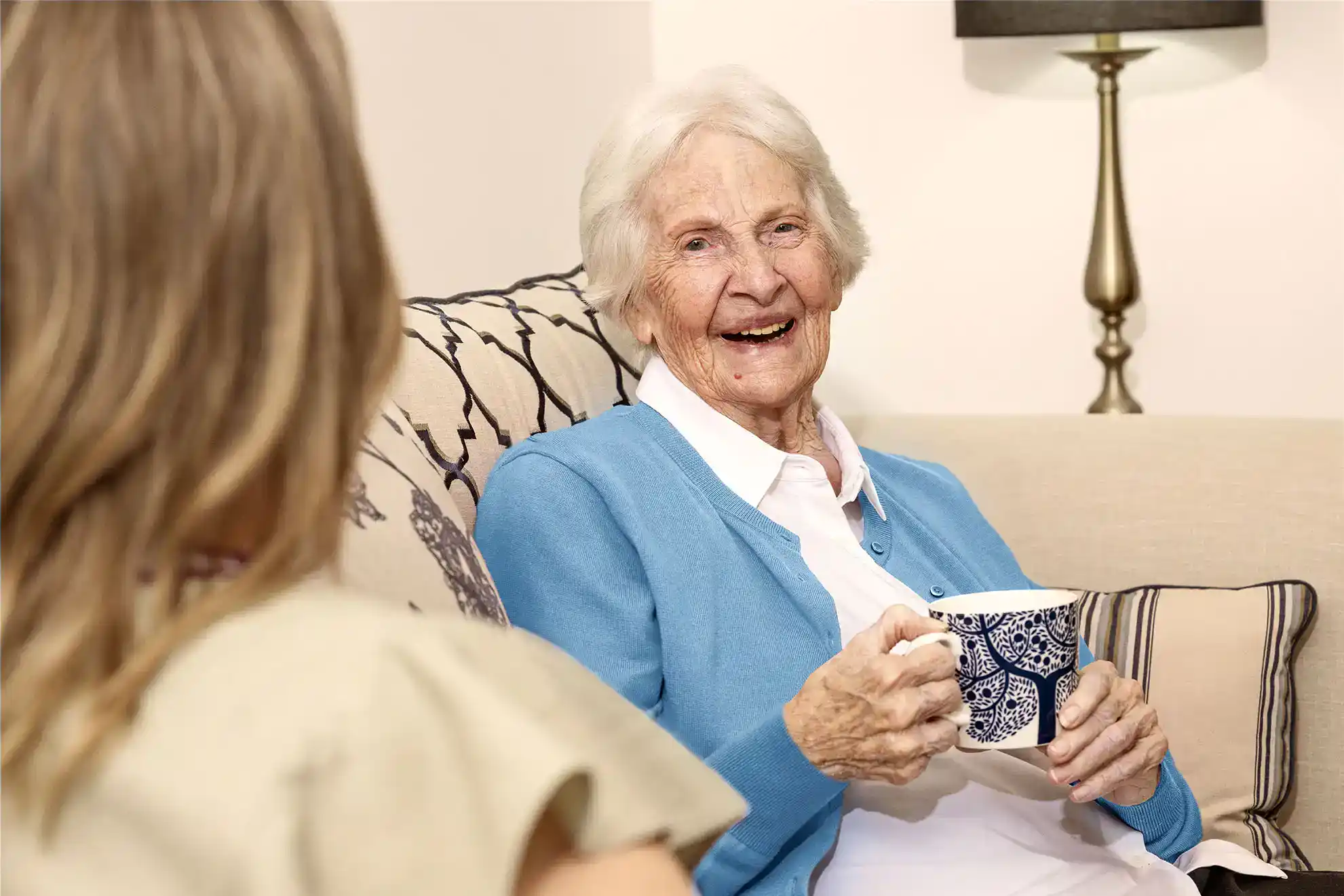
Research shows that psychosocial factors — anxiety, depression, and loss of self-efficacy — are strongly correlated with readmission. A caregiver who provides consistent companionship, encouragement, and emotional stability supports the whole person, not just the medical condition.
The Financial Case for Home Care
Hospital readmissions cost the Medicare system an estimated $26 billion annually. Beyond the system-level cost, the individual and family cost is significant — lost wages from family members who must manage crises, stress, and the emotional toll of repeated hospitalization.
In-home care is not just a compassionate choice. It is a financially rational one. Preventing even a single hospitalization can offset months of in-home care costs.
Aging in Place: More Than a Preference
Nearly 90% of older adults report that they want to remain in their own home as they age. But aging in place successfully — safely, with good quality of life — requires intentional support. The home needs to be set up for safety. Chronic conditions need consistent monitoring. Isolation, which accelerates cognitive and physical decline, needs to be actively countered.
In-home care makes aging in place not just a preference, but a viable, sustainable reality.
What to Look for in a Post-Hospitalization Care Provider
- Caregivers trained in post-discharge protocols and medical monitoring
- Coordination with hospital discharge planners, home health agencies, and physicians
- Flexible scheduling — including short-term intensive support after discharge
- Clear communication systems for family members
- Experience with chronic conditions common in older adults: heart disease, COPD, diabetes, stroke recovery
At Dovida, we work directly with hospital social workers and discharge teams to ensure seamless transitions from hospital to home. Our care plans are built around the specific post-discharge needs of each client, with built-in communication touchpoints for family and healthcare providers.
The Bottom Line
A hospitalization is frightening. The return home should feel like relief — not like stepping off a cliff into uncertainty. With professional in-home support, it can. Seniors recover better, stay home longer, and return to the hospital less when they have the right support around them.
That’s not just good for patients. It’s good for families, for the healthcare system, and for a society that believes its oldest members deserve safety, dignity, and the comfort of home.
Coming home from the hospital? Let Dovida help create a safe, supported transition.